Emergency Dentist Plano, TX: Immediate Care for Dental Accidents
@shanezwaa748
October 26, 2026 · 16 min read
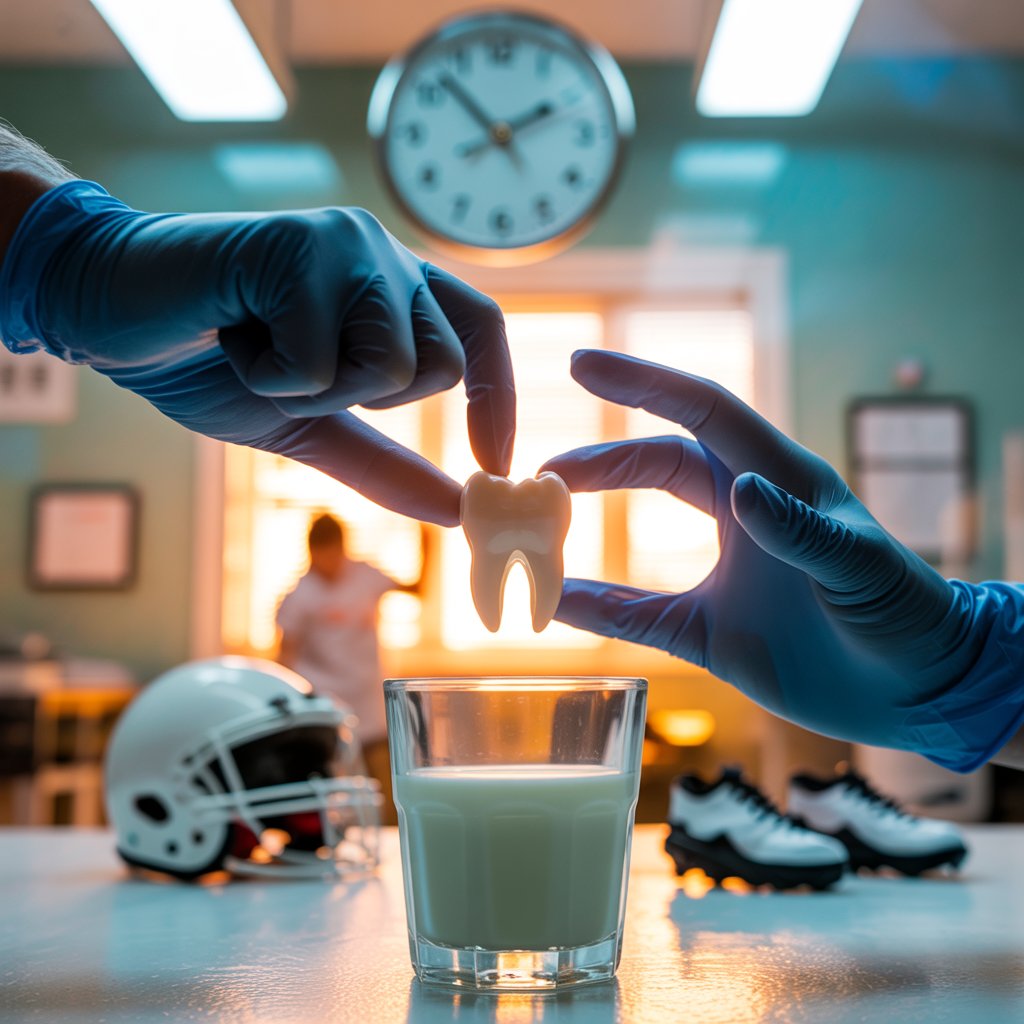
A dental emergency rarely arrives at a convenient hour. It happens during dinner, after a weekend soccer game, on the way out the door for work, or in the middle of the night when a dull ache turns sharp and relentless. In those moments, people are not thinking about long-term treatment plans or cosmetic upgrades. They want the pain to stop, the tooth to be saved if possible, and a clear answer about what to do next.
That is where an emergency dentist in Plano, TX becomes essential. Quick dental care can mean the difference between preserving a natural tooth and losing it, between a straightforward repair and a much larger procedure later. It also brings something less talked about, but just as important: calm. When a patient is scared, bleeding, swollen, or holding a broken tooth in a tissue, they need practical help from a team that has seen these situations before and knows how to respond.
Dental accidents cover a wide range. A child Emergency dentist Plano, TX may chip a front tooth on the playground. An adult may crack a molar on a popcorn kernel or wake up with facial swelling from an untreated infection. A teen with braces may take an elbow during a basketball game and knock a tooth loose. These events feel chaotic in the moment, but they are familiar territory in emergency dental care. The key is knowing which symptoms require same-day attention, what first steps to take at home, and why timing matters so much.
What counts as a dental emergency
Not every dental problem requires immediate treatment that same hour, but many issues should not wait. Pain is one clue, though not the only one. I have seen patients downplay serious infections because they had surprisingly little pain, and I have also seen minor gum irritation feel dramatic simply because the mouth is so sensitive. The better test is whether there is injury, uncontrolled bleeding, swelling, infection, or damage that could worsen quickly.
A knocked-out permanent tooth is one of the clearest emergencies. Time matters here more than most people realize. In the best cases, the tooth can sometimes be reimplanted if handled correctly and treated fast enough. A cracked tooth can also be urgent, especially if the crack extends deep enough to expose the nerve or split the tooth structure. Severe toothaches, facial swelling, an abscess, a lost crown over a painful tooth, or trauma to the jaw all justify quick professional attention.
By contrast, a mild tooth sensitivity that has been coming and going for months may not be a middle-of-the-night emergency, though it still deserves evaluation. The challenge for patients is that these lines can be blurry. When in doubt, calling an emergency dentist in Plano, TX is the sensible move. A good office can ask the right questions, gauge the urgency, and guide the next step.
The most common emergencies dentists see in Plano
Plano families are active. Kids play sports year-round, adults juggle work and errands, and weekend schedules fill up fast. That lifestyle tends to produce a predictable set of urgent dental problems. Sports injuries are common, especially chipped or displaced front teeth. Hard foods crack older fillings and brittle molars more often than people expect. Nighttime grinding contributes to fractures, sore jaws, and failing restorations. Then there are infections, which often start quietly and become impossible to ignore on a Friday evening.
One case that stands out involved a patient who thought she had simple sinus pressure. By the next morning, one side of her face had noticeably swollen, and she could not comfortably bite down. The cause was an infected upper molar, not her sinuses. After prompt treatment and follow-up care, the problem resolved well, but waiting another day or two could have made it far more serious. Dental infections are not just about discomfort. They can spread, interfere with eating and sleeping, and in some cases become true medical emergencies.
When pain is telling you something important
Tooth pain has a way of taking over everything. It is hard to work, drive, sleep, or think clearly when every heartbeat seems to pulse through the jaw. Still, the type of pain often offers clues. Sharp pain when biting may suggest a crack or a failing filling. A lingering ache after hot or cold foods can point to nerve inflammation. Throbbing pain with swelling often raises concern for infection. Pain that wakes someone from sleep is especially worth noting, because it frequently indicates deeper irritation inside the tooth.
People sometimes try to push through pain with over-the-counter medication for days or weeks. That can mask symptoms without solving the underlying issue. A cavity that might have needed a filling can progress until the nerve is involved, at which point the tooth may need root canal treatment or extraction instead. The mouth is good at warning us early. Ignoring those warnings tends to make treatment more involved and more expensive.
What to do in the first few minutes after a dental accident
The first response at home or on the field can have a real effect on the outcome. Panic is natural, but simple steps help.
- Control bleeding with clean gauze or a clean cloth and gentle pressure.
- If a permanent tooth is knocked out, pick it up by the crown, not the root, and keep it moist in milk or saliva.
- Use a cold compress on the outside of the face to limit swelling.
- Save any broken pieces of tooth or restoration if you can find them.
- Call an emergency dentist in Plano, TX as soon as possible for instructions and an urgent appointment.
Those basics cover many situations, but details matter. A baby tooth that gets knocked out is handled differently from a permanent tooth. Reimplanting a baby tooth is generally not advised because of the risk to the developing adult tooth underneath. A knocked-out permanent tooth, on the other hand, deserves immediate attention, and every minute counts.
Saving a knocked-out tooth
This is the dental emergency where first aid really matters. If a permanent tooth is completely avulsed, meaning it comes out entirely, there may be a narrow window where saving it is possible. The periodontal ligament cells on the root surface are delicate. Scrubbing the tooth, letting it dry out, or wrapping it in tissue can reduce the chance of successful reimplantation.
If the tooth is visibly dirty, it can be rinsed gently with water for a few seconds, but not scrubbed. If the person is calm and alert, and if it can be done safely, the tooth may sometimes be placed back into the socket right away. Many people are understandably not comfortable doing that, which is why keeping it moist in milk is often the practical choice while heading to the dental office. Saline is also acceptable if available. Plain tap water is not ideal for storage because it can damage root cells, though a brief rinse is fine.
This is one reason every coach, parent, and school nurse benefits from basic dental emergency knowledge. A mouthguard prevents many sports injuries, but when accidents happen, correct handling can preserve a tooth that might otherwise be lost.
Broken, chipped, and cracked teeth are not all the same
Patients often use these words interchangeably, but they describe different problems. A small chip in the enamel may be mostly cosmetic, especially if there is no pain and no sharp edge cutting the lip or tongue. A broken tooth usually means a larger loss of structure, often involving dentin and sometimes the nerve. A crack may be harder to see but more serious, because it can run vertically and compromise the integrity of the tooth below the surface.
This is where professional judgment matters. A front tooth with a visible chip may look dramatic in the mirror but be relatively simple to smooth or bond. A back molar with a hairline crack may look almost normal yet cause severe pain when biting and be at higher risk of splitting. Dentists use symptoms, visual inspection, percussion, bite tests, and radiographs when needed to judge how deep the damage goes. The treatment might be bonding, a crown, root canal therapy, or in some cases extraction if the tooth cannot be restored predictably.
The mistake people make is assuming that if a tooth is not ugly, it is not urgent. Hidden cracks can worsen quickly under chewing pressure. If pain appears with biting, release of pressure, or temperature changes after trauma, that is enough reason to be seen promptly.
Swelling and infection should never be brushed off
Facial swelling is one of the most important signs in emergency dentistry. It often means infection, and infection in the mouth can move faster than patients expect. Sometimes the source is an abscessed tooth. Sometimes a partially erupted wisdom tooth traps bacteria and irritates the surrounding tissue. Gum infections can also cause localized swelling and drainage.
A small pimple-like bump on the gums, a bad taste in the mouth, fever, swollen lymph nodes, pain when opening the mouth, or trouble swallowing are all concerning signs. Even when pain is manageable, swelling can signal a problem that needs same-day care. Dentists assess the source, relieve pressure when appropriate, prescribe medication when indicated, and address the tooth or gum issue behind the infection. Antibiotics alone are not a complete fix if the infected tooth remains untreated. They may reduce symptoms temporarily, but the problem often returns.
Anyone experiencing rapidly increasing swelling, breathing difficulty, or trouble swallowing should seek urgent medical attention right away. Dental and medical emergencies can overlap, and safety comes first.
Lost fillings, crowns, and other restorations
A lost filling or crown may not sound dramatic, but it can become urgent depending on the tooth underneath. If the exposed tooth is highly sensitive, sharply broken, or previously had a root canal and now feels unstable, waiting too long can invite further fracture or decay. Crowns usually come off for a reason. Sometimes the cement simply fails after years of use. Other times decay has developed under the crown, or the tooth structure holding it has weakened.
Patients sometimes try household adhesives, which is a bad idea. Temporary dental cement from a pharmacy may help in limited cases, but only if a dentist recommends it and the situation is stable. The safer choice is to keep the crown, avoid chewing on that side, and arrange a dental visit quickly. If the crown still fits and the underlying tooth is healthy enough, recementing may be possible. If not, the dentist may need to rebuild the tooth or remake the restoration.
Soft tissue injuries can bleed more than expected
Lips, cheeks, gums, and the tongue have a rich blood supply, so even small cuts can look dramatic. People are often startled by how much blood appears after biting the tongue or taking a blow to the mouth. Gentle pressure with clean gauze usually helps. A cold compress reduces bleeding and swelling, and rinsing gently with water can clear away debris.
The larger issue is whether a tooth was also damaged or displaced during the injury. Soft tissue trauma often accompanies broken teeth or jaw impact. If a cut is deep, will not stop bleeding, contains embedded tooth fragments, or follows significant facial trauma, prompt evaluation is wise. Some injuries need both dental and medical care, particularly if there is concern about fracture, concussion, or extensive laceration.
Children, teens, and sports-related accidents
Parents are often surprised by how quickly a normal day turns into a dental emergency. One missed catch, one scooter fall, one collision at second base, and suddenly there is a chipped incisor and a frantic search for care. Children need a slightly different approach, not only because their teeth may be primary teeth, but because anxiety runs high and cooperation can be limited when they are in pain or frightened.
The first question is whether the injured tooth is baby or permanent. Front permanent teeth often begin appearing around age six or seven, so age alone is not enough to guess. If there is any uncertainty, an emergency dentist can help determine the right response. For active kids and teens, custom mouthguards are worth serious consideration. They are not glamorous, but they prevent a remarkable number of injuries. The cost is small compared with the expense and stress of repairing trauma to a front tooth.
What same-day emergency treatment may involve
People sometimes worry that emergency dental visits automatically lead to a major procedure on the spot. In reality, the first goal is usually to diagnose the problem, relieve pain, stabilize the tooth or tissue, and prevent the condition from worsening. Definitive treatment may happen the same day, but not always.
For example, a patient with an abscess may need drainage and medication plus a planned return for root canal therapy or extraction. A cracked tooth may receive a sedative filling or temporary crown protection before a full restoration is placed. A broken front tooth might be bonded the same day if the fracture is straightforward. A loose tooth may be repositioned and splinted. The exact approach depends on the severity of the injury, the condition of the tooth before the emergency, and what offers the best prognosis.
Emergency care is not about doing everything at once. It is about doing the right thing first.
How to know if you should call now or wait until morning
Patients often struggle with this late at night or over a weekend. A useful rule is to think in terms of risk, not just discomfort. If there is swelling, trauma, a knocked-out or loose permanent tooth, persistent bleeding, severe pain, signs of infection, or a broken tooth with exposed nerve symptoms, call now. If the issue is mild sensitivity, a tiny chip with no pain, or a filling loss that is annoying but not painful, waiting until the next business day may be reasonable.
These situations usually warrant urgent evaluation:
- A permanent tooth has been knocked out, loosened, or moved out of position.
- Pain is severe, throbbing, or accompanied by swelling or fever.
- A tooth is cracked or broken and hurts with air, temperature, or biting.
- Bleeding from the mouth does not stop with pressure.
- The face or gums are swelling, especially if the swelling is spreading.
That said, if you are unsure, call. A brief phone conversation often prevents a small problem from turning into a much bigger one.
Why local access matters in a true emergency
There is a practical advantage to finding an emergency dentist in Plano, TX rather than waiting or traveling farther than necessary. Time matters with dental trauma. So does convenience when pain is high and eating, speaking, or driving is difficult. A nearby office can often accommodate same-day visits more efficiently, and follow-up care is easier when the provider is local.
This matters especially for families, older adults, and anyone with a demanding schedule. Emergency treatment is rarely just one moment. It may involve imaging, stabilization, a recheck in a week or two, and definitive restoration later. Having that continuum of care close to home makes the entire process less disruptive and usually more successful.
A few mistakes that make emergencies worse
Well-meaning home remedies cause trouble more often than people think. Aspirin placed directly on the gums can burn tissue. Super glue on a broken crown or tooth is unsafe. Delaying treatment because pain improved after medication is risky, since infections and cracks do not heal themselves. Storing a knocked-out tooth dry in a napkin remains one of the most common and most damaging mistakes.
There is also a tendency to underestimate dental problems that come and go. Intermittent symptoms are not reassuring if the underlying issue is structural or infectious. A tooth can stop hurting after the nerve dies, but the infection may continue. Relief does not always mean recovery.
The role of preparation
No one plans for a dental accident, but a little preparation helps. Families with children in sports should know where to find urgent dental care before they need it. Keeping a small first-aid kit with gauze, a clean container, and the phone number of a local dental office is not excessive. It is practical. Adults who grind Emergency dentist Plano, TX their teeth or have a history of cracked restorations should not ignore those risk factors either. Preventive care, routine exams, and a well-fitting night guard often reduce the chance of an emergency later.
Dental emergencies feel sudden, but many are built on older problems: untreated decay, leaking fillings, neglected pain, chronic clenching, postponed crowns. Prompt care is vital when the crisis hits, yet prevention remains the quieter half of the story.
What patients usually remember most
People often remember the pain, of course, but they also remember how they were treated in those first anxious minutes. Did someone answer the phone and tell them exactly what to do with a knocked-out tooth? Did the office make room for them the same day? Did the dentist explain the options clearly, including what could wait and what could not? Technical skill matters enormously, but so does steadiness.
Emergency dentistry is at its best when it combines urgency with judgment. Not every tooth can be saved, and not every painful situation has a perfect same-day fix. But many problems can be stabilized, many teeth can be preserved, and nearly every patient can leave with more comfort and a clear plan.
When an accident happens, speed matters, but so does choosing the right help. A trusted emergency dentist in Plano, TX can evaluate the injury, relieve pain, and protect your long-term oral health when the situation is most uncertain. That is what immediate care is really about, not just reacting to a crisis, but improving the odds that a bad day does not become a lasting dental problem.
Vitality Dental
1220 Coit Rd # 106, Plano, TX 75075, United States
+1 972-645-4100
FAQ About Emergency dentist Plano, TX
Will the ER do anything for dental pain?
An emergency department can assess urgent symptoms and provide medical stabilization. Definitive treatment of the tooth usually requires a dentist. Seek emergency medical care for breathing or swallowing difficulty, uncontrolled bleeding, or serious facial injury.
What to do if I have a dental emergency in the middle of the night?
Contact a dentist or after-hours dental service promptly for guidance. If a permanent tooth is knocked out, keep it moist in milk while seeking immediate care. If symptoms suggest a medical emergency, go to an emergency department.
What qualifies as a dental emergency?
A knocked-out permanent tooth, severe or persistent tooth pain, a significant dental injury, or swelling may require urgent dental assessment. Call a dentist to describe the symptoms and determine timing. Uncontrolled bleeding or difficulty breathing or swallowing requires emergency medical care.