Emergency Dentist Solutions for Broken Retainers and Mouthguards
@shanezwaa748
November 23, 2026 · 16 min read
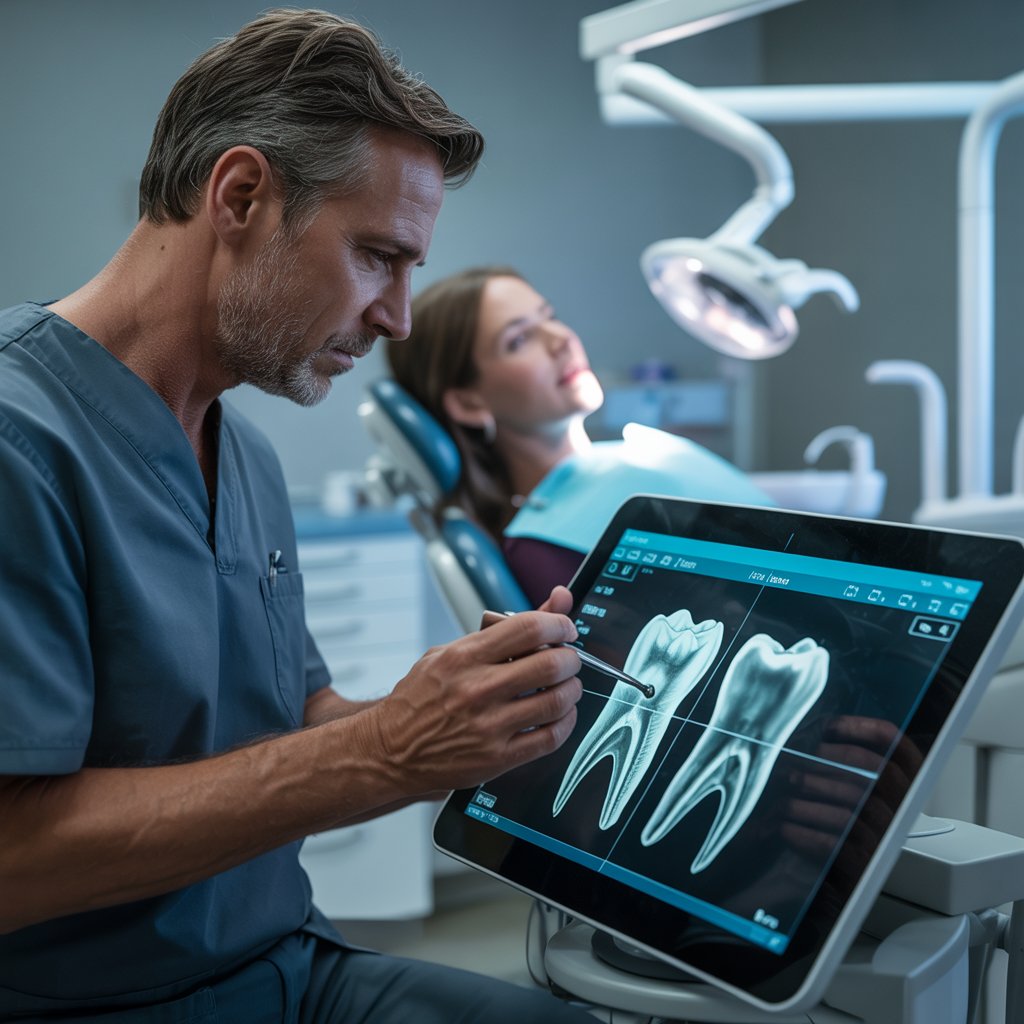
A broken retainer or cracked mouthguard rarely happens at a convenient time. It is usually discovered first thing in the morning, right before school, on the way to practice, or after a late-night grind session that leaves the appliance split down the middle. For many patients, the first reaction is uncertainty. Is this just inconvenient, or is it a genuine dental emergency?
The answer depends on what broke, how it broke, and what is happening inside the mouth right now. A loose wire that is cutting the cheek is not the same problem as a clean crack in an old nightguard. A child whose retainer snapped in half after being stepped on has a different urgency than an athlete whose custom mouthguard now exposes the front teeth before a weekend tournament. In practice, the best emergency dentist is not simply the one who can see you fastest, but the one who can sort out whether the issue threatens your teeth, gums, bite, orthodontic result, or ability to function comfortably.
Patients often assume retainers and mouthguards are minor accessories. They are not. A well-fitted retainer helps preserve months or years of orthodontic correction. A mouthguard can prevent fractured teeth, lip lacerations, and costly restorative care. When either one fails, timing matters more than most people realize.
When a broken appliance crosses into an urgent problem
Not every damaged appliance requires a same-hour appointment, but some situations deserve quick attention. A retainer with a protruding wire can create raw ulcerated spots surprisingly fast, especially on the tongue side of the lower arch where movement is constant. A cracked hard acrylic appliance can leave jagged edges that slice the gums or palate. A mouthguard that no longer fits snugly may seem usable, yet it can shift on impact and offer very little real protection.
There is also the orthodontic factor. Teeth begin to move sooner than many patients expect, particularly after recent braces or clear aligner treatment. In the first weeks and months after active treatment, even a short gap without a properly fitting retainer can allow relapse. Sometimes that movement is subtle, felt only as tightness when the retainer is reinserted. Other times it is visible within days, especially in the lower front teeth, which are notorious for crowding back.
An emergency dentist can help in two broad ways. First, they manage immediate problems such as pain, soft tissue injury, or the risk of dental trauma. Second, they stabilize the situation long enough for repair, replacement, or referral to the right dental professional, which may be a general dentist, orthodontist, pediatric dentist, or sports dentistry provider depending on the case.
Broken retainers are not all the same
The type of retainer makes a major difference in how urgent the problem is and what can realistically be done on the same day.
Essix retainers, the clear tray-style retainers many people wear after orthodontic treatment, tend to crack, warp, or split near the molars. They are popular because they are discreet and comfortable, but once fractured, they are usually not ideal candidates for a durable in-office repair. Temporary trimming may be possible if a rough edge is irritating tissue, but a replacement is often the real solution.
Hawley retainers, the classic removable retainers with acrylic and a metal wire across the front teeth, fail differently. The acrylic can crack, clasps can bend, and the labial wire can distort or snap. Some Hawley issues can be adjusted or at least made more tolerable temporarily. If the wire is only mildly bent and the appliance still seats fully, a dentist may be able to determine whether it remains safe to wear until the orthodontist can assess it. If it no longer seats correctly, wearing it may do more harm than good by applying uneven pressure.
Fixed retainers, the thin bonded wires glued behind the front teeth, create their own category of urgency. If one end debonds, the free segment can irritate the tongue, trap food, or allow selective tooth movement while the patient assumes everything is fine. I have seen patients present with one lower incisor already rotating after only a short period with a partially detached fixed retainer. This is where prompt evaluation matters. The problem may not hurt much, but it can change tooth position quickly.
Mouthguards fail in ways people often underestimate
Sports mouthguards and nightguards are often discussed together because patients use the terms interchangeably, but they are built for different jobs. A sports mouthguard is designed to absorb and distribute impact. A nightguard is designed to manage forces from clenching and grinding. The material, thickness, and fit differ. So does the risk of using a damaged one.
A sports mouthguard that is torn, thinned out, or no longer retentive should not be trusted during contact play. I have heard patients say, “It is still better than nothing.” Sometimes that is true in a very general sense, but a badly fitting guard can dislodge at the wrong moment or leave the front teeth inadequately covered. That is not a reliable safety margin.
Nightguards present a different concern. When a nightguard cracks, patients often keep wearing it because it still sits on the teeth. The danger is not only discomfort. A fractured nightguard can create pressure points, change how the jaw closes, or break further during sleep. Sharp edges can also scrape the tongue and cheeks night after night, turning a small crack into a sore mouth and a miserable week.
What to do in the first few hours
The first response should be calm, simple, and practical. Do not try to glue a retainer or mouthguard back together with household adhesive. Super glue, craft glue, and similar products are not meant for oral use, and they can distort the appliance beyond repair. Boiling a mouthguard to “reshape” it at home is also risky unless it is the kind specifically intended for boil-and-bite adjustment, and even then, doing it after damage often worsens the fit.
If there is blood, severe pain, or trauma to the teeth or jaw, the damaged appliance is no longer the main issue. The priority becomes evaluating the teeth, roots, bone, and soft tissues. In that case, contacting an emergency dentist right away is the right move.
If the problem is limited to the appliance itself, these immediate steps help reduce the chance of making things worse:
- Remove the appliance and inspect it under good light. Look for cracks, loose wire segments, missing pieces, and any area that no longer matches the teeth.
- Rinse it gently with cool water and store all pieces in a clean container. Do not wrap it in a napkin, since that is how retainers end up in the trash.
- If a sharp spot is rubbing tissue and you must wear it briefly, orthodontic wax can sometimes cover the edge, but only if the appliance still fits properly.
- Call your dentist or orthodontist and describe the exact issue, including whether it still seats fully, whether any tooth feels sore, and whether a wire is poking your cheek or tongue.
- If swelling, facial trauma, a loose tooth, or uncontrolled bleeding is present, seek same-day emergency evaluation rather than waiting for a routine repair slot.
That sequence solves more problems than people expect. It gives the dental office the information they need to judge urgency, and it prevents the classic mistakes that turn a repairable appliance into a replacement case.
How an emergency dentist evaluates the situation
A proper urgent visit for a broken retainer or mouthguard is usually more nuanced than a quick glance. The first question is whether the appliance failure caused or revealed injury. If the patient took an elbow to the face during basketball and the mouthguard split, the dentist is not just looking at plastic. They are checking for fractured enamel, mobility, bite changes, lip lations, and tenderness in the supporting bone. Sometimes the appliance appears to be the main issue, but the real concern Emergency Dentist Vitality Dental is a cracked cusp or a bruised periodontal ligament.
If there was no trauma, the examination becomes more appliance-focused. The dentist will assess fit, tissue irritation, broken components, and whether the damaged piece can be stabilized safely. For fixed retainers, they may test each bonding site, evaluate any shifting tooth, and determine whether a temporary rebond is appropriate. For removable retainers, they will look at whether it seats passively or is distorted. A retainer that has been bent into shape at home by a well-meaning patient can become an orthodontic force-delivery device, and not in a good way.
With nightguards and mouthguards, occlusion matters. A crack that changes thickness on one side may alter how the patient closes or clenches. This can trigger muscle soreness, tooth tenderness, or morning jaw fatigue. Emergency dentists who treat a lot of bruxism patients tend to spot this quickly because the symptoms and wear patterns are familiar.
What can often be done the same day
Patients are sometimes disappointed to hear that not every broken retainer can be permanently repaired in a single emergency visit. That said, a same-day appointment can still be extremely valuable. The goal is often to relieve pain, prevent further tooth movement or injury, and create a safe bridge to definitive care.
For a poking wire, smoothing, trimming, or wax placement may be enough to stop ulceration and restore comfort. For a partially detached bonded retainer, the dentist may remove the loose segment if it is hazardous, or rebond it if conditions are suitable. For an acrylic appliance with a rough fractured edge, careful smoothing can make it tolerable short term while a lab repair or remake is arranged.
Custom mouthguards are more variable. If the guard is only mildly distorted and needed urgently for a game or event, a dentist may advise against use if protection is compromised, even if the patient would prefer a quick fix. That advice can be frustrating, especially for competitive athletes, but it is usually the right call. A false sense of protection is a poor substitute for real function.
In offices with digital scanning and in-house fabrication capabilities, replacement can move faster than many patients expect. A scan for a new retainer may take minutes. The actual turnaround depends on the office setup, material, and schedule, but modern workflows can shorten delays significantly. Even when same-day delivery is not realistic, the process can begin immediately, which limits the time teeth are left unsupported.
The judgment call on wearing a damaged retainer
One of the most common questions is whether a broken retainer should still be worn until the appointment. There is no universal answer, and poor advice here causes trouble.
If a clear retainer has a minor hairline crack but still seats fully, does not rock, and does not cause pain or unusual pressure, some dentists may advise cautious temporary use for a short period. If it has split enough to flex independently or pinch the gums, it should stay out.
If a Hawley retainer feels “tight in one spot” after being bent, that is a warning sign. Retainers should retain, not actively move teeth unless designed and adjusted for that purpose. Wearing a distorted retainer can create sore teeth and unpredictable movement. In those cases, it is safer to stop wearing it until a professional evaluates it.
Fixed retainers are trickier because the appliance cannot simply be left in a case. If one end is loose and irritating the tongue, wax can help for a day or two, but prompt care is better. If teeth have already started shifting, the discussion may move beyond repair into whether the tooth positions must be corrected again before a new retainer is placed.
Children, teens, and athletes need a slightly different approach
With younger patients, timing often matters because life does not pause. School, sports, speech, and compliance all factor in. A teenager with a cracked retainer may downplay the problem to avoid an appointment, only to show up two weeks later with obvious relapse. Parents do best when they ask practical questions: Does it still fit? Is anything sharp? Was there facial impact? Is there a game this weekend? Has the child recently finished braces?
Athletes present another layer of urgency. A lineman, hockey player, wrestler, or lacrosse player has a different risk profile than someone who uses a mouthguard for occasional recreational activity. For higher-contact sports, the standard should be stricter. If the guard is compromised, use should be paused until a dentist clears it or replaces it. That may be inconvenient, but it is more reasonable than gambling with incisors that can require thousands of dollars in treatment after a single direct blow.
I remember one case that illustrates this well. A college athlete brought in a Emergency Dentist mouthguard that looked only slightly torn at the front. On inspection, the material had thinned so much over one central incisor that you could almost predict where a fracture would occur if he took another hit. He had kept wearing it because it “felt normal.” That is the problem with protective gear in the mouth. Comfort can fool you. Protection is about structure, not just sensation.
Cost, repairability, and the value of acting early
Patients understandably ask whether repair or replacement will be cheaper. The frustrating but honest answer is that it depends on the appliance, the type of damage, and whether delayed care has allowed secondary problems to develop.
A simple adjustment or smoothing visit is often far less expensive than replacing a custom appliance. Rebonding a fixed retainer early may cost less than managing relapse later. Replacing a mouthguard before a season is still far cheaper than restoring a chipped incisor, performing root canal treatment after trauma, or remaking multiple appliances because impressions no longer match shifted teeth.
Delay is where costs climb. A patient who waits three weeks after breaking a retainer may not only need a new one but also short-course orthodontic correction because the teeth no longer line up with the old position. That happens more often than people think, especially in lower anterior teeth and recently treated cases.
Situations that should not wait
Some scenarios justify a true urgent call, not just a “next available” message. Persistent bleeding, a loose or displaced tooth, facial swelling, severe pain on biting, jaw locking after trauma, or a wire embedded in tissue all deserve prompt attention. If a piece of the appliance is missing and there is concern it was swallowed or inhaled, the situation shifts from dental inconvenience to medical evaluation.
The following signs usually mean it is time to contact an emergency dentist the same day:
- A wire or broken edge is cutting the tongue, cheek, or gums and wax is not controlling it.
- The appliance broke during a blow to the face, especially if any tooth feels loose or the bite feels different.
- A fixed retainer has detached and a tooth already looks rotated or out of line.
- A mouthguard no longer covers the teeth properly before an imminent game or training session with contact risk.
- Pain, swelling, or fever is present, which suggests the issue may involve more than the appliance itself.
That list is short on purpose. The point is not to create alarm. It is to separate ordinary breakage from the moments when fast evaluation protects teeth, treatment results, or overall oral health.
Preventing the next break, because patterns matter
Most broken retainers and mouthguards do not fail randomly. They follow patterns. Appliances get wrapped in tissues at restaurants, left in hot cars, chewed absentmindedly while studying, tossed into gym bags without cases, or cleaned with methods that slowly weaken the material. Once you have seen enough of these cases, the causes become predictable.
Prevention is usually less about fancy products and more about habits. Store the appliance in a rigid case. Keep it away from pets, because dogs are astonishingly efficient at destroying retainers and nightguards. Do not expose it to heat from dishwashers, boiling water, or dashboard sunlight. Clean it with methods appropriate to the material rather than harsh toothpaste abrasion or bleach soaks unless specifically instructed by your dentist.
A few habits make the biggest difference:
- Use a protective case every time the appliance is out of the mouth, even at home.
- Bring retainers to follow-up visits so the dentist can spot wear or distortion before failure.
- Replace athletic mouthguards when fit, thickness, or retention has clearly deteriorated.
- Report clenching, grinding, or jaw soreness early, since excessive force often cracks nightguards and retainers.
- Ask about a backup retainer if you recently completed orthodontic treatment and relapse risk is high.
That last point deserves emphasis. In some cases, especially after major orthodontic correction or when travel is frequent, a backup retainer can save a lot of stress. It is not necessary for everyone, but for certain patients it is a very practical form of insurance.
Choosing where to go when time matters
Not every urgent dental office handles appliance issues with the same confidence. Some are excellent at pain relief and trauma triage but do not fabricate or adjust orthodontic appliances often. Others work closely with orthodontists and sports dentistry cases and can streamline the next step quickly. When calling, it helps to ask specific questions rather than simply requesting an emergency slot.
Describe the type of appliance, how it broke, whether it still fits, and whether any tooth or tissue was injured. Mention recent orthodontic treatment if relevant. Ask whether the office treats broken retainers or mouthguards routinely, whether they can assess a bonded retainer, and whether they can scan for a replacement if needed. Those details improve the odds of landing in the right chair the first time.
The term Emergency Dentist often makes people think only of toothaches and abscesses. In reality, broken retainers and damaged mouthguards fit squarely into urgent dentistry when they threaten soft tissues, expose teeth to trauma, or jeopardize hard-won orthodontic results. The key is recognizing that “not life-threatening” does not mean “safe to ignore.”
A damaged appliance may be a small object, but its consequences can become large very quickly. The right response is rarely dramatic. It is timely, informed, and practical: protect the mouth, avoid home repairs, get an expert evaluation, and act before a minor break turns into a larger dental setback.
Vitality Dental
1220 Coit Rd # 106, Plano, TX 75075, United States
+1 972-645-4100
FAQ About Emergency Dentist
What counts as a dental emergency?
A knocked-out tooth, significant mouth injury, severe tooth pain, or painful swelling warrants prompt evaluation. Call your dentist and describe your symptoms so the office can advise you on how urgently you need care.
What should I do if I knock out a permanent tooth?
Call a dentist immediately. Handle the tooth by the crown, avoid touching the root, and keep it moist. If you cannot put it back into the socket easily, transport it in milk or a tooth-preservation solution. Bring it with you to the appointment.
Should I go to the emergency room for a dental emergency?
Seek emergency medical care right away if you have trouble breathing or swallowing, uncontrolled bleeding, or a serious facial injury. For an isolated tooth injury or toothache without those symptoms, call a dentist promptly for guidance.