How an Emergency Dentist Can Save Your Tooth After an Accident
@shanezwaa748
November 23, 2026 · 14 min read
A dental injury can go from frightening to permanent in less time than most people expect. One slip on wet tile, one elbow during a basketball game, one minor car accident, and suddenly a tooth is loose, cracked, pushed out of place, or lying in your hand. In those moments, people often focus on the blood, the pain, or the shock. What matters just as much is the clock.
An Emergency Dentist is not simply there to stop discomfort. In many cases, the right treatment in the first hour or two can mean the difference between saving a natural tooth and losing it for good. I have seen situations that looked hopeless at first glance turn out well because the patient acted quickly, kept the tooth moist, and got professional care fast. I have also seen minor-looking injuries become major problems because someone waited until the next week, thinking it could not be that serious.
Teeth do not heal the way a cut on your skin does. Enamel cannot regenerate. A damaged nerve inside a tooth will not calm down forever on its own. The tiny ligament fibers that hold a tooth in the socket can survive trauma, but only if they are protected and treated promptly. That is why timing, handling, and diagnosis matter so much after an accident.
The first minutes after dental trauma matter more than most people realize
When a tooth is hit hard, several things may happen at once. The visible damage might be a chip or a crack, but beneath the surface there may also be injury to the pulp, the root, the supporting bone, or the periodontal ligament. Sometimes the worst damage is not obvious in the mirror. A tooth can look mostly intact and still have a root fracture or a compromised blood supply.
This is one reason people misjudge the seriousness of a dental injury. If a front tooth breaks in half, it clearly looks urgent. If a tooth feels slightly loose after a fall, people often decide to watch it for a few days. That can be a costly mistake. Mobility, bite changes, color changes, lingering sensitivity, and gum bleeding can all point to deeper trauma.
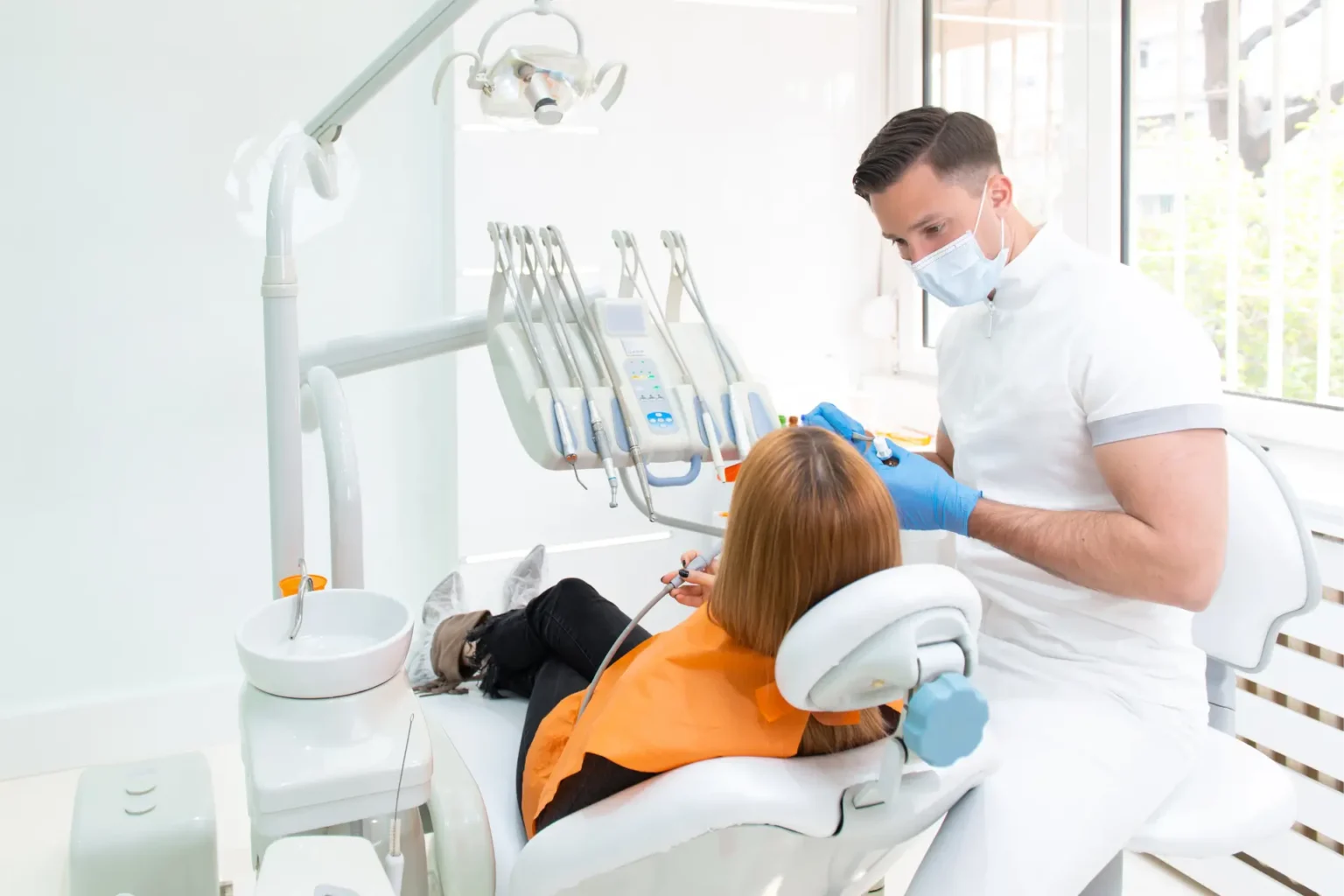
An Emergency Dentist approaches these situations with a different lens than a standard routine exam. The goal is not only to patch what is visible. It is to assess whether the tooth can be stabilized, whether the pulp is likely to survive, whether the root or surrounding bone is damaged, and whether immediate intervention can improve the long-term outcome.
Not every accident causes the same kind of dental emergency
A common misconception is that all tooth injuries are basically alike. They are not. The treatment for a chipped incisor is very different from the treatment for a knocked-out tooth, and both differ from a tooth that has been intruded, meaning driven deeper into the gum and bone.
A small enamel chip may need smoothing or bonding. A deeper fracture that exposes dentin or pulp needs faster protection because bacteria and temperature changes can irritate the tooth from the inside. A displaced tooth may need to be repositioned and splinted. A tooth that has been completely avulsed, meaning knocked out, creates one of the clearest true emergencies in dentistry because the supporting cells on the root begin to die once they dry out.
Children, teenagers, and adults also present different challenges. Younger patients may have teeth with developing roots, which can sometimes heal in ways adult teeth cannot. Older adults may have crowns, fillings, gum recession, or bone loss that changes the treatment plan. The accident itself matters too. Sports trauma often affects front teeth. Falls may involve lips, gums, and multiple teeth. Car accidents can produce complex fractures that include bone and jaw injuries.
What an Emergency Dentist is trying to save
When people say they want to save a tooth, they usually mean keeping the visible part. Clinically, the goal is broader. The dentist is trying to preserve four things at once: the tooth structure, the nerve when possible, the root support, and the surrounding bone and gum architecture.
That matters because even if a tooth can be restored cosmetically, the long-term result depends on what happened below the gumline. A beautifully bonded front tooth can still fail later if the root was severely damaged. On the other hand, a tooth that looks dramatic at first can sometimes do surprisingly well if the root surface cells remain viable and the tooth is stabilized in time.
I often explain dental trauma like a tree after a storm. The visible branch damage is only part of the story. The real question is what happened to the trunk and the roots. Emergency care is about assessing the whole system, not just the broken edge you can see.
The injuries where speed can make the biggest difference
Some traumatic dental injuries are especially time-sensitive. A knocked-out permanent tooth sits at the top of that list. The chance of successful reimplantation drops the longer the tooth remains dry. While exact outcomes vary based on age, root development, contamination, and storage conditions, the broad principle is consistent: faster is better, and dry storage is harmful.
Displaced teeth are another urgent category. If a tooth has been pushed sideways, partly out, or deeper into the socket, repositioning is often easier and more predictable when done promptly. Delayed treatment can allow clot formation and tissue changes that complicate the correction.
Cracks that expose the inner tooth also deserve swift care, even if the patient is not in severe pain yet. Once the protective outer layers are breached, bacteria gain a pathway inward. Early sealing or restoration may reduce the risk of infection and pulpal damage.
Then there is the patient who says, “It only hurts when I bite.” That single detail can signal anything from a bruised ligament to a fracture line. Those cases need evaluation because the bite itself can tell the dentist where the injury lies.
What to do before you get to the dental office
The period between the accident and treatment is often chaotic. People rinse with mouthwash, wrap the tooth in tissue, or take pain medicine and wait. Some of those choices help. Some quietly reduce the odds of saving the tooth.
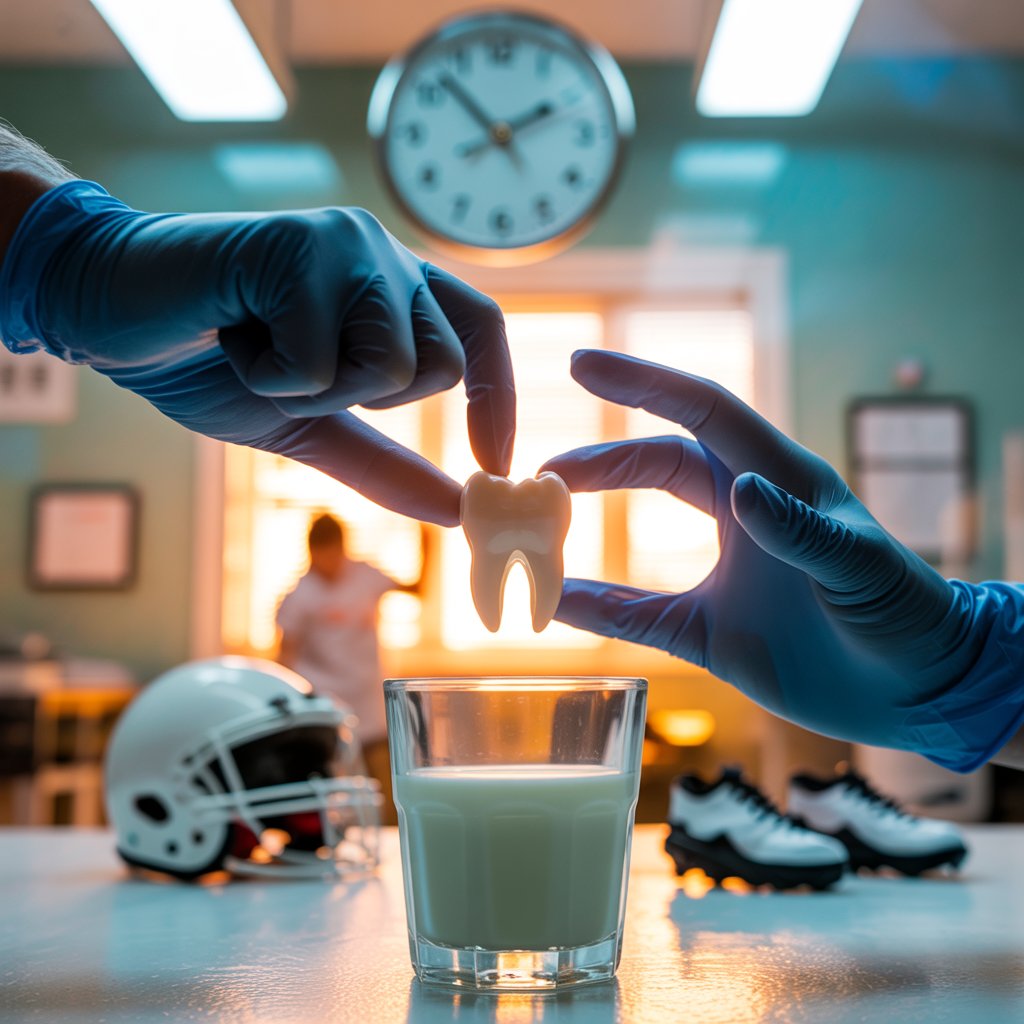
If a permanent tooth is knocked out, handle it by the crown, not the root. The root surface is delicate, and scrubbing it or letting it dry can damage the cells needed for reattachment. If it is dirty, a gentle rinse with milk or saline is better than aggressive cleaning. In some situations, placing the tooth back in the socket right away is ideal, but many people are not comfortable doing that. If not, keeping it moist in milk, saline, or a tooth preservation solution is far better than wrapping it dry in a napkin.
For bleeding, light pressure with clean gauze usually helps. Cold compresses on the outside of the face can reduce swelling. If there is significant facial trauma, dizziness, loss of consciousness, or suspected jaw fracture, medical evaluation may need to happen alongside dental care.
Here is a practical checklist for the immediate aftermath of a dental accident:
- Find the tooth or broken piece, and pick it up by the crown.
- If a permanent tooth is fully out, keep it moist in milk, saline, or inside the cheek if the person can do so safely.
- Apply gentle pressure with gauze if there is bleeding.
- Use a cold compress on the face to limit swelling.
- Call an Emergency Dentist immediately and describe exactly what happened.
Primary teeth, meaning baby teeth, are a separate issue. They are generally not reimplanted if knocked out because doing so can injure the developing permanent tooth underneath. That is one reason parents should avoid guessing and speak with a dentist right away.
What happens when you arrive for emergency treatment
Good emergency dental care begins with a focused history. The dentist will want to know when the injury happened, how it happened, whether the tooth was out of the mouth, how it was stored, whether there was loss of consciousness, and whether the bite feels different. These details are not routine formality. They directly influence prognosis and treatment.
The examination usually includes looking at the teeth, gums, lips, and oral tissues for lacerations, checking whether the tooth moves, tapping gently to test tenderness, and evaluating the bite. X-rays are often necessary, and in some offices a cone beam scan may be used when the injury is complex or a root fracture is suspected.
One subtle but important part of trauma care is baseline documentation. The dentist may record pulp test responses, degree of mobility, discoloration, and radiographic findings so that changes can be tracked over time. Trauma cases often require follow-up because some complications, such as pulp necrosis or root resorption, develop weeks or months later.
The treatments that can save a tooth
There is no single emergency fix for every dental injury. The right treatment depends on the type and severity of damage, the time since injury, and the age of the patient.
For a knocked-out permanent tooth, reimplantation is often the first goal if the conditions are favorable. The dentist cleans and evaluates the socket, gently places the tooth back, verifies position, and stabilizes it with a flexible splint. Tetanus status and antibiotics may also be discussed depending on the circumstances. In many mature teeth, root canal treatment is needed later because the pulp often does not survive an avulsion.
For a tooth that is loose or displaced but still in the mouth, repositioning and splinting may allow the supporting tissues to heal. The splint is usually temporary. It holds the tooth steady while still allowing a degree of physiologic movement, which is better for healing than making the tooth completely rigid.
For fractures, the treatment varies. A minor chip may be rebuilt with composite bonding in a single visit. A larger fracture may need a more involved restoration, pulp therapy, or a crown. If the fracture extends below the gumline, the case becomes more complicated. Sometimes the tooth is still savable, but the path may include gum or orthodontic procedures, not just a filling.
For teeth with inflamed or dying pulp after trauma, endodontic treatment can often preserve the root and maintain the tooth in function. That still counts as saving the tooth in a very real sense. Patients sometimes hear “root canal” and think failure. In trauma care, it is often the procedure that prevents extraction.
Why saving the natural tooth is usually worth the effort
Modern dentistry offers excellent replacements for missing teeth, including implants and bridges. Still, if a natural tooth can be predictably retained, that is often the best first option. A natural tooth maintains the feel of your own bite, preserves the periodontal ligament, and avoids the cost and healing phases that come with replacement.
There is also an emotional component, especially when the injury involves a front tooth. People do not just lose function. They lose confidence, comfort, and in some cases their willingness to smile or speak freely. Fast intervention can spare them months of more extensive treatment.
That said, a responsible Emergency Dentist will not promise miracles. Some teeth are too badly fractured. Some roots are split in ways that cannot be repaired. Some delayed avulsion cases carry a poor long-term prognosis even if the tooth is temporarily reimplanted. Honest decision-making matters. Sometimes the best care is an attempt to retain the tooth for a period of time while planning for the best future replacement.
The complications that can develop when treatment is delayed
Dental trauma has a way of punishing delay. The patient who waits because the pain is tolerable may later face a darkened Emergency Dentist tooth, infection, abscess formation, or progressive resorption. A loose tooth can firm up in the wrong position. A crack can deepen. Soft tissue injuries can trap debris or tooth fragments and heal poorly.
One case that stays with many dentists is the patient who arrives days later with a tooth wrapped in dry tissue, hoping it can simply be placed back in. The disappointment is hard. At that point, the biological window may have largely closed. Sometimes the tooth can still be replanted as a temporary measure for esthetics or bone preservation, but the long-term prognosis changes significantly.
Even less dramatic injuries benefit from prompt evaluation. A bruised tooth may need only monitoring, but someone has to make that call after an exam. Waiting and hoping is not a substitute for diagnosis.
Follow-up care is part of saving the tooth
Emergency care is the beginning, not the whole story. Traumatized teeth need review because they can change over time. A tooth that initially tests normal may later lose vitality. A tooth that was repositioned may need splint removal, bite adjustment, or root canal treatment. Children need especially careful monitoring because trauma can affect root development.
Patients also play a role after the visit. Soft diet instructions, excellent oral hygiene, and avoiding further impact are not minor details. A recently injured tooth needs protection while the supporting structures recover. Skipping follow-up because the pain Emergency Dentist improved is one of the more common ways good initial treatment gets undermined.
These aftercare points often make a measurable difference:
- Eat softer foods on the opposite side until your dentist says normal chewing is safe.
- Keep the area clean with gentle brushing and any recommended rinse.
- Avoid testing the tooth with your tongue or biting on it repeatedly.
- Return for every follow-up visit, even if symptoms seem to disappear.
- Report color changes, swelling, fever, or increasing pain right away.
Children, athletes, and older adults each bring different concerns
Trauma management is not one-size-fits-all. With children, the growth stage of the tooth matters enormously. An immature permanent tooth has a better chance of certain healing responses, but it is also vulnerable in unique ways. The developing root may need specialized management to encourage continued formation or create an apical barrier if the pulp is lost.
Athletes often benefit from a prevention conversation after treatment. If the injury happened during contact sports or cycling, a custom mouthguard may reduce the risk of a repeat event. Stock mouthguards from a sporting goods store are better than nothing, but custom guards usually fit better, breathe easier, and protect more reliably.
Older adults may present with brittle restorations, recession that exposes root surfaces, or medications that affect healing. A seemingly simple chip in a heavily restored tooth can turn into a larger restorative decision. That is why experience and judgment matter in emergency dentistry. The tooth in front of you has a history, not just an injury.
Choosing the right response in a stressful moment
People often assume a dental emergency can wait because it is not life-threatening. Sometimes that is true. Many times, however, the goal is not merely to get through the night. It is to preserve biology that cannot be recovered once lost.
An Emergency Dentist brings more than availability. The role involves rapid triage, trauma diagnosis, stabilization, and an understanding of which injuries can be reversed, which can be managed, and which need referral or a longer restorative plan. The best outcomes usually come from a mix of fast patient action and skilled professional care.
After an accident, the question is not only, “Does it hurt?” A better question is, “What can still be saved if I act now?” For many injured teeth, the answer is quite a lot. The window is just smaller than people think.
Vitality Dental
1220 Coit Rd # 106, Plano, TX 75075, United States
+1 972-645-4100
FAQ About Emergency Dentist
What counts as a dental emergency?
A knocked-out tooth, significant mouth injury, severe tooth pain, or painful swelling warrants prompt evaluation. Call your dentist and describe your symptoms so the office can advise you on how urgently you need care.
What should I do if I knock out a permanent tooth?
Call a dentist immediately. Handle the tooth by the crown, avoid touching the root, and keep it moist. If you cannot put it back into the socket easily, transport it in milk or a tooth-preservation solution. Bring it with you to the appointment.
Should I go to the emergency room for a dental emergency?
Seek emergency medical care right away if you have trouble breathing or swallowing, uncontrolled bleeding, or a serious facial injury. For an isolated tooth injury or toothache without those symptoms, call a dentist promptly for guidance.