How an Emergency Dentist Handles Sudden Jaw Pain and Trauma
@shanezwaa748
November 23, 2026 · 15 min read
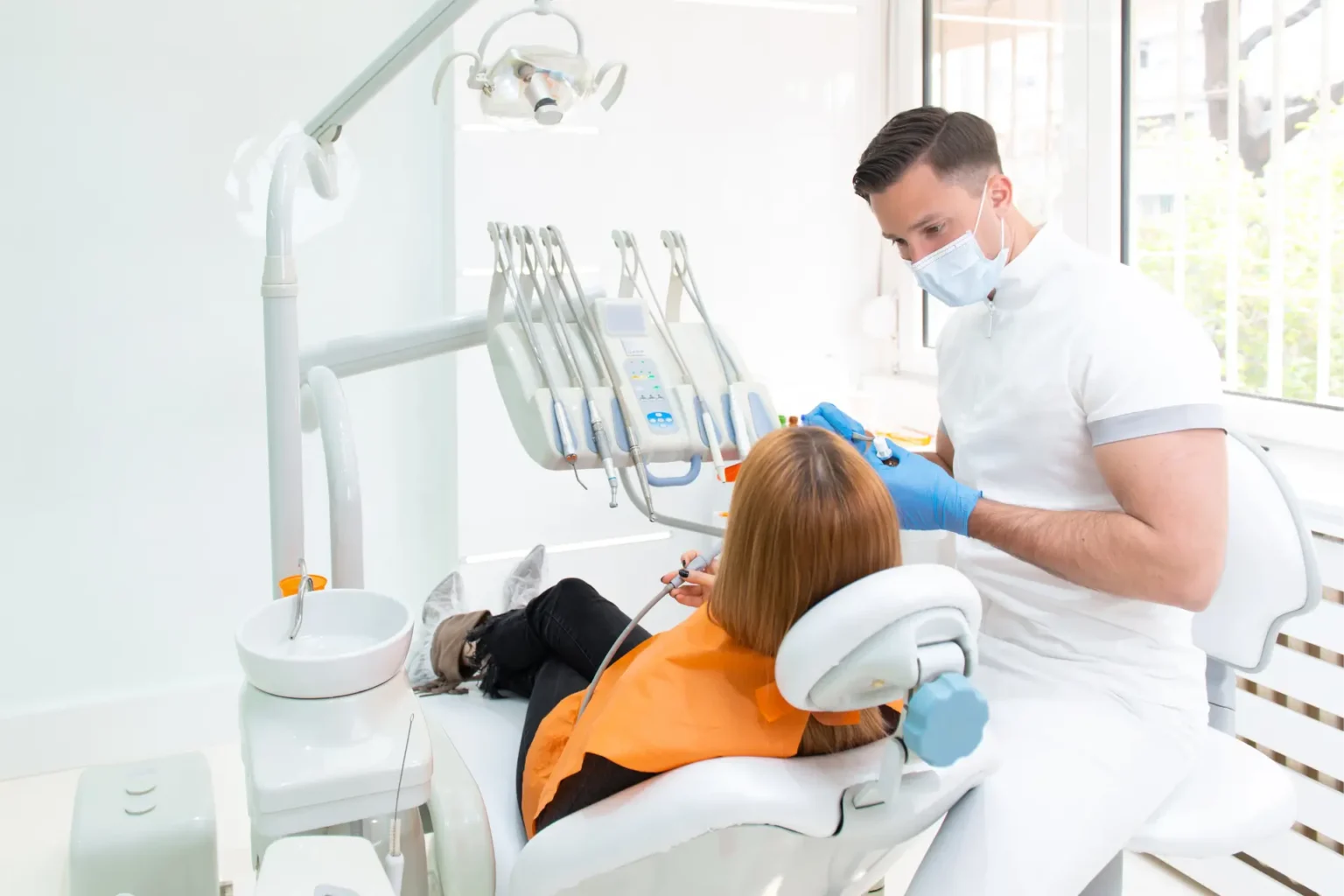
Jaw pain has a way of changing the entire day in a matter of minutes. A dull ache can make eating miserable. A sharp jolt after a fall or collision can make even speaking feel risky. When the pain arrives suddenly, especially after an injury, people often struggle to tell whether they are dealing with a dental problem, a joint issue, a fracture, a dislocation, or something more serious that needs urgent medical attention.
That uncertainty is exactly why emergency dental care exists. An Emergency Dentist is trained to sort out fast-moving problems, stabilize the area, relieve pain, and decide what can be treated in the chair that day versus what needs referral to an oral surgeon, hospital, or another specialist. In real practice, sudden jaw pain is rarely approached as a single symptom. It is treated as a problem with several possible causes, some routine and some time-sensitive, all of which need a careful, disciplined evaluation.
Not all jaw pain is the same
The first thing an emergency clinician learns is that patients do not describe jaw pain in neat categories. One person says their “jaw is locked.” Another says their “back tooth exploded” and now the whole side of the face throbs. A teenager who took an elbow during basketball may insist it is just a sore chin, while the exam shows their bite has shifted. An older adult may think they have a toothache when the actual source is a strained jaw joint after a night of grinding.
The job starts with distinguishing among several broad possibilities. Sudden jaw pain may come from a cracked or infected tooth, a dislocated temporomandibular joint, trauma to the soft tissues, bruising of the bone, fracture of the mandible, muscle spasm, or damage to surrounding structures. Sometimes two or three of these are happening at once. A blow to the face can chip a molar, strain the joint, and cause a laceration inside the cheek, all in one event.
That is why emergency care is not only about speed. It is about pattern recognition and judgment under pressure.
The first few minutes matter
When a patient arrives with acute jaw pain or facial trauma, the early assessment is focused and practical. Before anyone talks about fillings, splints, or imaging, the priority is safety. Can the patient open enough to breathe comfortably? Is there active bleeding? Did they lose consciousness? Are they nauseated, dizzy, or confused after the injury? Is the swelling progressing quickly?
An Emergency Dentist will usually begin with a concise history. What happened, when it happened, whether the bite feels different, whether there was a popping sound, whether any teeth feel loose, and whether numbness is present in the lip or chin. That last detail matters more than most patients realize. Numbness can suggest involvement of the inferior alveolar nerve, which may occur with certain jaw fractures or significant trauma.
The physical exam is equally targeted. The dentist checks facial symmetry, bruising, swelling, tenderness along the jawline, ability to open and close, movement of the joint, and whether the teeth meet normally. Inside the mouth, they look for torn tissue, bleeding around teeth, step-offs in the bone, fractured crowns, broken restorations, and pooled blood under the tongue. A floor-of-mouth hematoma, while not common, can point toward a mandibular fracture and deserves prompt escalation.
Small clues often carry the diagnosis. A patient who cannot bring the back teeth together after a blow may have a fracture or displaced tooth segment. A patient whose jaw deviates to one side on opening may have a joint or muscle injury. A patient with severe pain around a wisdom tooth area may actually have a spreading dental infection rather than trauma at all.
When jaw pain is a dental emergency versus a medical emergency
Most people assume all mouth and jaw problems should be seen by a dentist first. Often that is true, but not always. Emergency dental teams are trained to recognize when the situation is outside the scope of office-based care.
Seek immediate emergency evaluation, whether through an Emergency Dentist, urgent care pathway, or hospital, if any of these are present:
- Trouble breathing, trouble swallowing, or rapidly increasing swelling
- Uncontrolled bleeding that does not slow with firm pressure
- Loss of consciousness, repeated vomiting, confusion, or signs of head injury
- A jaw that appears obviously displaced, severely misaligned, or impossible to close properly
- Numbness of the lower lip or chin after trauma, especially with a changed bite
This is where experience counts. Severe dental pain can feel dramatic without being dangerous, while a seemingly modest chin injury can hide a fracture. A clinician who sees facial emergencies regularly develops a strong instinct for what must move quickly.
The role of imaging
X-rays are often part of the workup, but not every painful jaw needs the same imaging. A localized tooth fracture may be visible on a periapical radiograph. A broader trauma pattern may call for a panoramic image to assess the mandible. If fracture, displacement, or complex facial injury is suspected, a cone beam scan or medical CT may be more appropriate, depending on the setting and referral network.
Patients sometimes expect the image to provide a clean answer within minutes. In reality, imaging is one piece of the puzzle. A crack in a tooth may not show clearly on the first film. A joint issue can be more about function than a dramatic radiographic finding. Soft tissue injuries, muscle strain, and early infection also do not always declare themselves in a single image. That is why the exam, history, and bite analysis remain central.
One common example involves the patient who says, “I bit into something hard and now my jaw hurts when I chew.” They may assume the joint is injured. In practice, the source may be a cracked lower molar that causes referred pain into the jaw and ear area. Another patient may come in after a minor car accident complaining of one sore tooth, only for the imaging and exam to reveal a mandibular fracture line farther back.
How an Emergency Dentist treats acute dental causes of jaw pain
Not every case of sudden jaw pain is a traumatic fracture or dislocation. A large share of emergency visits are driven by severe pain from teeth and surrounding structures, and these can radiate intensely into the jaw.
A deep cavity reaching the pulp can cause throbbing pain that feels like it runs along the entire side of the face. A cracked tooth can trigger a sharp, electric sensation on biting and then a lingering ache in the jaw muscles as the patient unconsciously changes how they chew. An abscessed tooth can create pressure, swelling, bad taste, fever, and pain that seems to sit deep in the jawbone.
Treatment depends on the cause. Sometimes the emergency visit is definitive, such as extracting a non-restorable tooth or opening a tooth to relieve pressure. Other times the goal is stabilization, placing a sedative dressing, adjusting a bite point that is aggravating a crack, or prescribing appropriate medication while arranging a root canal or surgical follow-up. Antibiotics are not a cure for every dental pain episode, and experienced emergency dentists do not hand them out casually. They are used when there are signs of infection, swelling, spread, or systemic involvement, not simply because a tooth hurts.
That distinction matters. Patients often arrive hoping for “something for the pain,” but pain control without source control rarely lasts. The real work is identifying the driver and reducing the biological stress causing the pain.
What happens when the jaw has been hit
Trauma changes the tempo of the appointment. Falls, sports injuries, workplace accidents, assaults, and vehicle collisions each create different damage patterns. A direct blow to the chin is especially important because the force can travel backward into the jaw joints or create fractures in less obvious areas.
The evaluation usually includes whether the bite is off, whether the patient hears clicking or grinding when opening, and whether there are loose, displaced, or fractured teeth. Tenderness along the lower border of the mandible, pain near the angle of the jaw, and inability to open comfortably can all suggest more than simple bruising. If a patient says, “My teeth do not fit together the way they did this morning,” that statement gets attention right away.
In many office settings, the Emergency Dentist can manage soft tissue wounds inside the mouth, smooth sharp tooth edges, stabilize mobile teeth with temporary splinting, and coordinate imaging or referral for suspected fractures. If there is concern about a broken jaw, especially with malocclusion, numbness, or significant mobility of segments, the dentist often refers urgently to oral and maxillofacial surgery or the hospital.
There is also a practical side to trauma care that patients appreciate. The first goal is not cosmetic perfection. It is pain control, infection reduction, protection of the airway and tissues, and preservation of teeth and bone whenever possible. Cosmetic refinements can come later if needed.
Dislocation, muscle spasm, and the “locked jaw” presentation
Some of the most alarming jaw emergencies are not fractures at all. A patient may yawn widely, laugh, vomit, or undergo a long dental procedure and suddenly find the mouth stuck open. That can indicate a temporomandibular joint dislocation. Others arrive with intense spasm and limited opening after clenching, grinding, stress, or prolonged mouth opening.
These scenarios require a different kind of judgment. True dislocation can be distressing and painful, and reduction may need to happen promptly by a trained professional. Muscle-related trismus, by contrast, often responds to a different plan involving rest, anti-inflammatory medication when appropriate, soft diet, heat or cold depending on the stage, and monitoring. The exam helps distinguish one from the other.
An important nuance is that trauma can trigger muscle guarding even when the joint itself is structurally intact. A patient may barely open because the muscles are protecting the area. Another may open too widely because the joint is out of position. They can look similar from the waiting room, but they are managed very differently.
Pain control is important, but it is not the whole visit
People in acute dental pain are often worried that the visit will be rushed or procedural. Good emergency care is more balanced than that. Relief matters, and in many cases the first successful step is local anesthesia. Even a few hours of pain reduction can allow a proper exam that was impossible when the patient first sat down.
Medication choices depend on the diagnosis, medical history, and bleeding risk. Anti-inflammatory drugs can be effective for many dental and musculoskeletal sources of jaw pain. Acetaminophen may be added in some cases. If infection is present, the antibiotic choice depends on likely bacteria, allergy history, severity, and local standards of care. Opioids, where used at all, are generally limited and selective. Most experienced dentists have learned that targeted treatment plus thoughtful non-opioid pain control often works better than a stronger prescription without a clear plan.
There is also the matter of protecting the patient from making things worse overnight. A rough tooth edge may need smoothing so it stops slicing the cheek. A temporary dressing may be placed to reduce pulp exposure. A mobile tooth may be stabilized. A laceration may be irrigated and sutured if appropriate. These measures can make the difference between a miserable night and a manageable one.
What patients should do before they are seen
The period between injury and treatment can influence the outcome, especially when trauma involves teeth or swelling. A few simple actions help far more than home remedies improvised from internet searches.
Before being seen, it helps to:
- Apply a cold compress to the outside of the face in short intervals to limit swelling
- Avoid chewing on the injured side and stick to soft foods if eating is possible
- Control bleeding with clean gauze or cloth and steady pressure
- Save any broken tooth fragments or a fully knocked-out tooth, keeping it moist rather than letting it dry out
- Do not force the jaw open or try to “pop it back” without professional guidance
The last point deserves emphasis. Patients sometimes try to test the jaw repeatedly, either to prove it is not serious or to see whether it has “clicked back.” That repeated strain can intensify swelling and muscle spasm. With trauma, gentle protection is usually smarter than repeated self-examination.
Cases that look simple but are not
One of the more humbling features of jaw emergencies is how deceptive they can be. A college athlete once presented after a game with a chipped front tooth and mild soreness near the ear. He was mostly concerned about appearance. During the exam, his front teeth no longer touched the way they had before, and there was tenderness near the jaw angle on the opposite side. The visible dental chip was the minor problem. The meaningful injury was farther back.
A different pattern appears with nighttime grinders. A patient wakes with what feels like sudden jaw pain and assumes an infection has developed overnight. Sometimes it has. Other times the trigger is an already stressed joint or muscle group pushed over the edge by clenching, poor sleep, or a recent dental change that altered the bite. The treatment plan for those patients can involve immediate pain relief and short-term management, but also follow-up to address the underlying bite or parafunctional habit.
Then there are delayed presentations. Someone gets hit on Saturday, feels sore but functional, and shows up Tuesday because the swelling is worsening and chewing is harder. Delay does not always change the diagnosis, but it can complicate care. Bruising evolves, muscles stiffen, and infections can take hold around damaged tissues. That is why early evaluation is generally worth it even when the injury seems minor at first.
Coordination with other specialists
Emergency dental care is often the first link in a chain rather than the whole chain itself. A patient may need a same-day oral surgery referral for a fracture, a later endodontic appointment for a traumatized tooth, or a restorative plan once the acute phase settles. In more complex cases, the Emergency Dentist serves as the triage point, stabilizing the patient and directing the next step.
This coordination is where practical experience shows. A tooth that tests normally right after trauma can lose vitality weeks later. A jaw that looks bruised but stable may need re-evaluation if the bite changes or numbness appears. Good emergency care includes clear return precautions and realistic expectations, not a casual “come back if it still hurts.”
Patients often feel reassured when they understand that not every answer arrives on day one. Some injuries declare themselves over time. The important thing is that dangerous problems are ruled out, urgent issues are treated promptly, and the patient knows what to watch for next.
Recovery depends on the diagnosis, not the drama
A dramatic accident can Emergency Dentist produce a relatively straightforward injury, while a modest event can create a long recovery. A small crack in a molar may need a crown or root canal but cause no lasting jaw issue. A bruised jaw joint can take weeks to settle, even with no fracture. A dislocated jaw reduced promptly may recover well, while delayed treatment can make muscle spasm and recurrence more likely.
Patients usually want a timeline, and fair estimates matter. Soft tissue soreness often improves over several days. Significant joint strain may linger for a few weeks. Dental infections can calm quickly once the source is addressed, but the underlying tooth still needs definitive treatment. Fractures vary widely based on location, displacement, and how the bite is affected.
The best outcomes tend to come from a combination of early evaluation, accurate diagnosis, and patients who follow the instructions they are given, especially around soft diet, medication use, and follow-up. The worst outcomes often grow from delay, repeated trauma to an already injured area, or temporary pain relief mistaken for actual healing.
Why emergency dental judgment matters
A skilled Emergency Dentist does more than treat pain. They decide what kind of problem they are looking at, how urgent it is, what must happen immediately, and what can safely wait. That may mean draining an abscess, splinting a traumatized tooth, suturing a wound, arranging imaging, identifying a probable fracture, or recognizing that the patient belongs in a hospital rather than a dental chair.
Sudden jaw pain and trauma sit at the crossroads of dentistry, oral surgery, and emergency medicine. They can involve teeth, bone, joints, nerves, and airway concerns all at once. That is why the best emergency care feels calm, methodical, and specific. The patient may arrive overwhelmed, but the clinician’s role is to narrow the problem quickly, protect what can be preserved, and prevent a bad day from becoming a lasting one.
When the jaw hurts suddenly, especially after an impact or with swelling, the safest assumption is not that it will sort itself out. It is that the cause needs a careful look from someone who handles these problems routinely. In that setting, speed helps, but trained judgment matters even more.
Vitality Dental
1220 Coit Rd # 106, Plano, TX 75075, United States
+1 972-645-4100
FAQ About Emergency Dentist
What counts as a dental emergency?
A knocked-out tooth, significant mouth injury, severe tooth pain, or painful swelling warrants prompt evaluation. Call your dentist and describe your symptoms so the office can advise you on how urgently you need care.
What should I do if I knock out a permanent tooth?
Call a dentist immediately. Handle the tooth by the crown, avoid touching the root, and keep it moist. If you cannot put it back into the socket easily, transport it in milk or a tooth-preservation solution. Bring it with you to the appointment.
Should I go to the emergency room for a dental emergency?
Seek emergency medical care right away if you have trouble breathing or swallowing, uncontrolled bleeding, or a serious facial injury. For an isolated tooth injury or toothache without those symptoms, call a dentist promptly for guidance.