How to Find the Right Emergency Dentist Near You
@shanezwaa748
November 23, 2026 · 15 min read
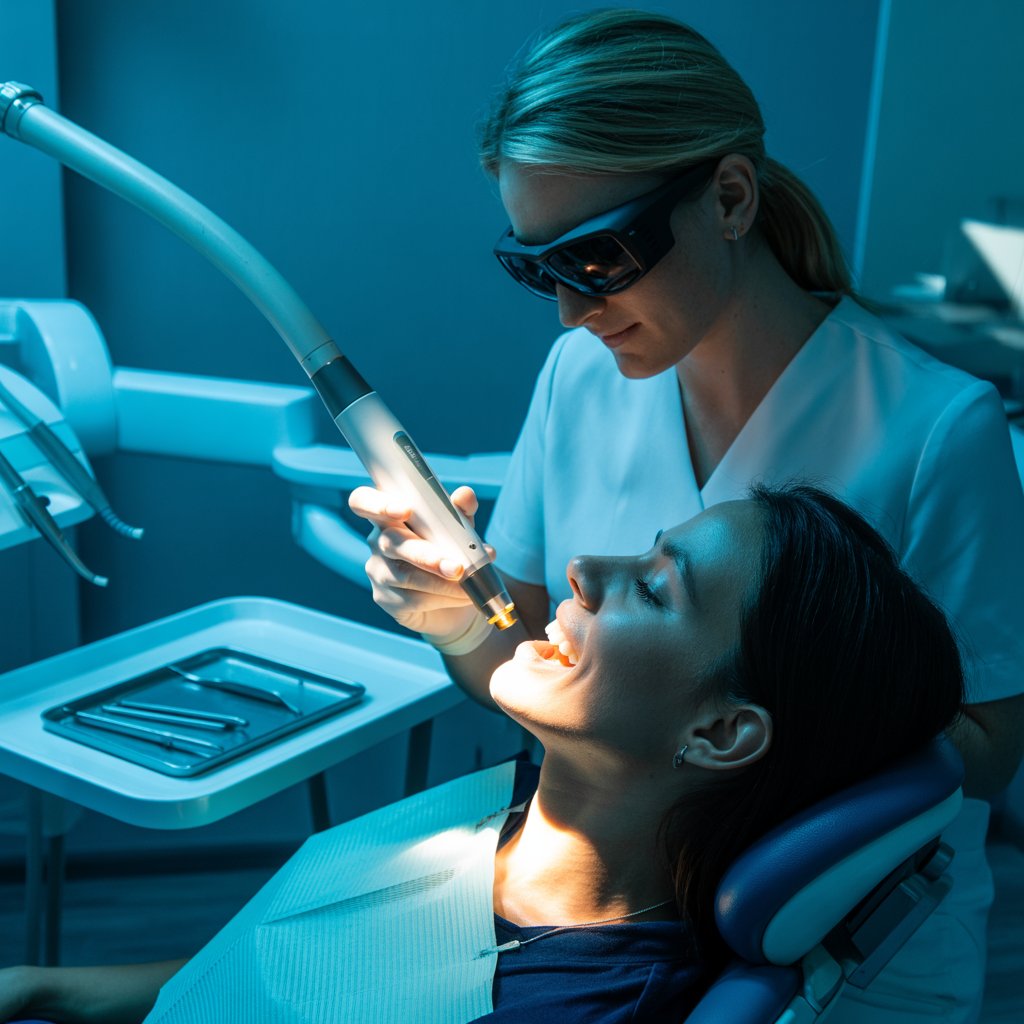
A dental emergency rarely arrives at a convenient time. It tends to happen on a Friday night, during a holiday weekend, or in the middle of a workday when your schedule is already stretched thin. One minute you are eating lunch or stepping off a curb, the next you are holding a chipped tooth in your hand or trying to ignore a throbbing pain that keeps getting sharper by the hour.
When that happens, speed matters, but so does judgment. The nearest office is not always the right one. An emergency dentist should be able to see you quickly, diagnose the problem accurately, manage pain, and protect the tooth or surrounding tissue from further damage. Just as important, the office should be able to tell you clearly what they can do right now and what may need follow-up care later.
People often make rushed choices when they are in pain, and that is understandable. I have seen patients call the first number that appears in a search result, only to find out the office was not actually open, did not handle trauma cases, or could not give a realistic time for treatment. A little structure in the search can make a difficult situation more manageable.
What counts as a true dental emergency
Not every dental problem needs same-day care, but some do. Severe tooth pain, facial swelling, uncontrolled bleeding, a knocked-out tooth, and trauma to the jaw or gums are all situations that warrant urgent attention. A cracked tooth can also move into emergency territory if the crack exposes the inner tooth structure or causes intense pain when you bite.
A lost filling or crown may not sound dramatic, yet it can become urgent depending on the level of discomfort and how much of the tooth is exposed. If a temporary fix from the pharmacy gives only brief relief and the pain is escalating, it should not wait long. The same is true for an abscess. Patients sometimes describe it as a pimple on the gum, but the real concern is infection, pressure, and the possibility of swelling spreading into the face or neck.
On the other hand, a mild toothache that comes and goes, a small chip with no pain, or a routine question about a denture adjustment can usually wait for a standard dental appointment. The trick is knowing where the line is. If you have swelling, significant pain, fever, trouble swallowing, or trauma, it is safer to treat the situation as urgent until a dental professional tells you otherwise.
The first decision is not who, but where
There are moments when an emergency dentist is exactly the right destination, and there are moments when you should go straight to the emergency room. This distinction matters because people sometimes lose valuable time trying to book dental care for a problem that is becoming a medical emergency.
If you have difficulty breathing, rapid facial swelling, heavy bleeding that will not stop, signs of a broken jaw, or severe trauma involving the head or neck, seek emergency medical care immediately. Hospitals are equipped to stabilize airway issues, manage major injuries, and coordinate imaging or surgical care when needed. Dental offices, even very good ones, are not built for those situations.
If the issue is isolated to the teeth, gums, or localized oral pain, an emergency dentist is usually the better place to start. Dental offices can handle tooth fractures, abscess evaluation, emergency extractions, temporary restorations, root canal access, and reimplantation guidance for knocked-out teeth. They also tend to move faster on dental-specific treatment than a hospital, where oral pain may be triaged behind broader medical emergencies.
What to look for when you search
Typing “Emergency Dentist near me” into a search engine is a reasonable first step, but the results page only tells part of the story. Paid ads, directory listings, and outdated profiles can create the impression that help is available when it is not. A polished website does not guarantee same-day care, and a 24/7 claim sometimes means only that someone answers the phone after hours.
The more useful question is this: can this office assess and treat my specific problem within the time window that matters?
That means looking beyond marketing language. Check the office hours, location, and whether the website specifically mentions urgent dental services such as toothaches, swelling, knocked-out teeth, broken crowns, or dental trauma. If the site says “same-day appointments” or “walk-ins welcome,” that is helpful, but still verify by phone. In practice, emergency scheduling depends on the day, the staffing level, and the complexity of the case.
Maps and reviews can help, but they should be interpreted carefully. A low rating based on parking frustration tells you little about clinical skill. A glowing review from someone who had a routine cleaning is not very relevant to trauma management. What you want are clues about responsiveness, communication, pain relief, and follow-through.
The phone call that tells you almost everything
In a true dental emergency, you may only have the patience for a short call, and that is fine. You do not need an interview process. You do need a few direct answers. Offices that handle emergencies well are usually clear, calm, and specific. They ask what happened, when it happened, how severe the pain is, whether there is swelling or bleeding, and whether you are an existing patient. They also give practical next steps instead of vague reassurance.
Here are the questions worth asking during that call:
- Do you see emergency patients today, and what is the earliest realistic time I can be seen?
- Have you treated this type of problem before, such as a knocked-out tooth, swelling, or a broken tooth?
- What should I do before I arrive, especially if there is pain, bleeding, or a tooth fragment?
- Do you accept my insurance, and if not, what are the expected emergency exam fees?
- If I need a procedure today, can it be done in your office or will I be referred elsewhere?
These questions do two things at once. They help you get the logistics straight, and they reveal how organized the practice is under pressure. A capable front desk team does not have to be warm and chatty, but they should be accurate. If the answers are evasive, inconsistent, or obviously scripted, keep calling.
I have found that the best emergency dental offices are not always the fanciest. Often, they are the ones with systems in place. They know how to triage, how to fit urgent care into the day, and how to tell patients exactly what to bring, how long they may wait, and what treatment is likely versus what cannot be promised until an exam and X-rays are done.
Red flags that should make you pause
When you are hurting, it is tempting to accept the first available slot. Still, a few warning signs are worth taking seriously. One is an office that guarantees treatment before seeing you. No responsible dentist can promise a root canal, extraction, or crown replacement based only on a phone description. They can estimate possibilities, but they need an exam.
Another concern is poor transparency about fees. Emergency care may involve an exam, X-rays, and a limited procedure to control pain before definitive treatment. That is normal. What is not normal is refusing to discuss basic pricing ranges or payment expectations at all. You do not need a perfect quote in advance, but you should not walk in completely blind.
A third red flag is an office that markets itself aggressively as emergency-focused but cannot explain who will actually provide care. In some areas, large scheduling centers route calls to partner clinics with variable availability. That is not automatically bad, but you should know the actual office address, the provider’s name if possible, and whether they can perform the likely procedure on-site.
Watch for sloppy communication about follow-up too. Emergency Dentist Emergency dentistry often stabilizes the immediate problem first. If the office treats the crisis but has no plan for next steps, no referral pathway, and no discussion of what happens after the pain settles, you may end up starting over elsewhere.
Why distance matters more than most people think
When pain is severe, every mile feels longer. But distance is not just about comfort. For some emergencies, timing has a direct effect on the outcome. A knocked-out permanent tooth has the best chance of being saved if it is reimplanted quickly. A spreading infection can worsen noticeably over several hours. A fractured tooth that keeps hitting against the opposing bite can break further while you wait.
That does not mean you should choose the closest office at all costs. It means travel time belongs in the decision. A highly rated emergency dentist 45 minutes away may not be a better choice than a competent one 12 minutes away if your face is swelling and you need immediate evaluation. The right choice sits at the intersection of skill, availability, and access.
If you live in a suburban or rural area, the search may be more complicated. In those cases, call your regular dentist first even if the office is closed. Many practices have an after-hours message with emergency instructions or an on-call provider. If you do need to travel farther, ask whether the office can review a photo or get key information by phone before you leave. That small step can save time if they determine you need a hospital setting instead.
Reviews are useful, but only if you read them like a clinician
Online reviews are often emotional, which makes sense in healthcare. People write when they feel relieved, angry, scared, or grateful. The trick is separating the noise from the patterns. If multiple patients mention that the office fit them in quickly, explained options clearly, and helped them manage pain without pressure, that matters. If several people describe long unexplained delays, surprise charges, or being referred out after being told everything could be handled on-site, that also matters.
Look for detail. “Great service” is pleasant but vague. “I called at 8 a.m. With a broken molar, they saw me by 10, took X-rays, explained that the tooth was not restorable, and extracted it the same day” tells you much more. A few mixed reviews are normal for any busy practice, especially one dealing with urgent care. What you are looking for is the overall shape of the experience.
It is also worth checking whether the office responds professionally to complaints. A defensive or combative tone in public replies is not ideal. A measured response that protects privacy while acknowledging concerns suggests better judgment.
Insurance helps, but it should not be the only filter
Many patients start with insurance, and that is understandable. Emergency dental care can be expensive, especially if it requires imaging, endodontic treatment, or surgical extraction. But filtering only for in-network providers can backfire if it delays care.
In urgent situations, the better approach is to ask about both access and cost. Some offices are in-network and excellent. Others are out-of-network but will still file claims for you, offer transparent fees, or provide financing options. The practical question is not just “Do you take my insurance?” It is “What will today likely cost, what portion may be covered, and what happens if I need additional treatment later?”
Front desk teams cannot always quote exact benefits because plans vary and real coverage often depends on the diagnosis and procedure code. Still, they should be able to explain the emergency exam fee, X-ray charges, and whether treatment is typically billed separately. If a practice becomes evasive the moment insurance comes up, that is a problem.
The best emergency dentists explain trade-offs clearly
A hallmark of good emergency care is honest explanation. Not every painful tooth needs to be removed. Not every cracked tooth can be saved. Sometimes the right move is a temporary measure today and a definitive procedure later. The quality of care is often reflected in how well the dentist explains those choices under time pressure.
For example, with an infected tooth, immediate options may include draining an abscess, opening the tooth to reduce pressure, prescribing medication when appropriate, or extracting the tooth if it is beyond repair. Each path has trade-offs in cost, recovery, long-term function, and follow-up needs. A strong emergency dentist will not bury you in jargon, but they will tell you what the problem appears to be, what they can do now, what cannot wait, and what risks come with delay.
That kind of clarity is especially important with children, older adults, and patients who are anxious. I have seen families feel calmer within minutes simply because someone finally gave them a straight answer. Pain intensifies fear. Information reduces it.
What you can do before you get there
Good first aid can make a real difference. If a permanent tooth has been knocked out, handle it by the crown, not the root. If it is dirty, rinse it gently with milk or saline if available. Try not to scrub it. In some cases, the tooth can be placed back in the socket carefully, but if that feels unsafe, keep it moist in milk or a tooth preservation solution if you have one. Do not store it dry in a tissue.
For swelling, a cold compress on the outside of the face may reduce discomfort. For bleeding, steady pressure with clean gauze is usually more effective than repeatedly checking the area. For a broken tooth, save fragments if you can and avoid chewing on that side. Over-the-counter pain relievers may help, but follow label directions and avoid placing aspirin directly on the gum, which can irritate tissue.
These simple steps can buy time, but they are not substitutes for treatment. They are measures to protect the situation until you reach care.
If you already have a regular dentist, start there
Patients often assume they need a different provider for emergencies, but that is not always true. Many general dental practices reserve same-day space for urgent issues, and your own dentist already knows your history, X-rays, prior work, and risk factors. That can speed up diagnosis and cut down on duplicate imaging or referrals.
Even if the office is closed, it is worth calling. A surprising number of practices have after-hours instructions that connect patients to an on-call dentist, an answering service, or a partner office. If you have had recent treatment, such as a root canal, extraction, crown Emergency Dentist preparation, or implant procedure, returning to the treating office first may be the most efficient route unless the symptoms suggest a broader medical emergency.
When the cheapest option becomes the most expensive
Price matters, especially when the expense is unplanned. But there is a difference between fair pricing and bargain hunting in a crisis. A very low advertised emergency exam fee can be reasonable, or it can be a hook that leads to fragmented care, rushed treatment, or aggressive upselling once you are in the chair.
The cost of poor emergency dentistry shows up later. A missed fracture becomes a bigger restoration. An incomplete diagnosis leads to repeated visits. A tooth that might have been stabilized is lost because treatment was delayed or mismanaged. None of this means the most expensive office is the best. It means value comes from competence, communication, and appropriate treatment at the right time.
If you need to compare two offices quickly, focus on what is included in the visit, whether necessary X-rays can be done immediately, whether the likely procedure can be completed on-site, and what the follow-up plan looks like. That tells you far more than the entry price alone.
A short decision guide for stressful moments
When the pain is sharp and time feels compressed, simple rules help. Use this framework if you need to decide fast:
- Rule out medical danger first, especially trouble breathing, severe swelling, heavy bleeding, or major facial trauma.
- Call the nearest qualified dental office that clearly handles emergencies and confirm they can see you today.
- Ask what to do before arrival, what documents to bring, and whether the likely treatment can be performed there.
- Clarify the basic fee structure so you are not surprised when you arrive in pain.
- If the office sounds uncertain, disorganized, or unable to treat your problem, move to the next option immediately.
This is not about perfection. It is about making a solid choice under imperfect conditions.
The right emergency dentist leaves you with a plan, not just a bill
The visit should do more than numb pain for a few hours. By the time you leave, you should understand what happened, what was done, what comes next, and what warning signs would require urgent follow-up. Even if the dentist can only stabilize the problem that day, you should know the next step clearly, whether that is seeing an endodontist, returning for a crown, monitoring healing, or scheduling extraction after swelling is controlled.
That sense of direction is one of the clearest markers of quality. Good emergency dentistry solves what it can now and organizes what needs to happen after. Patients remember the relief, of course, but they also remember whether someone took command of a chaotic situation and turned it into a plan.
If you need an Emergency Dentist, do not wait for the discomfort to become unbearable before you start looking. Save the number of your regular dentist, identify one or two local backup offices, and learn which nearby clinics truly offer same-day urgent care. Those ten minutes of preparation can spare you a much harder scramble later, when every minute hurts and every choice feels urgent.
Vitality Dental
1220 Coit Rd # 106, Plano, TX 75075, United States
+1 972-645-4100
FAQ About Emergency Dentist
What counts as a dental emergency?
A knocked-out tooth, significant mouth injury, severe tooth pain, or painful swelling warrants prompt evaluation. Call your dentist and describe your symptoms so the office can advise you on how urgently you need care.
What should I do if I knock out a permanent tooth?
Call a dentist immediately. Handle the tooth by the crown, avoid touching the root, and keep it moist. If you cannot put it back into the socket easily, transport it in milk or a tooth-preservation solution. Bring it with you to the appointment.
Should I go to the emergency room for a dental emergency?
Seek emergency medical care right away if you have trouble breathing or swallowing, uncontrolled bleeding, or a serious facial injury. For an isolated tooth injury or toothache without those symptoms, call a dentist promptly for guidance.